

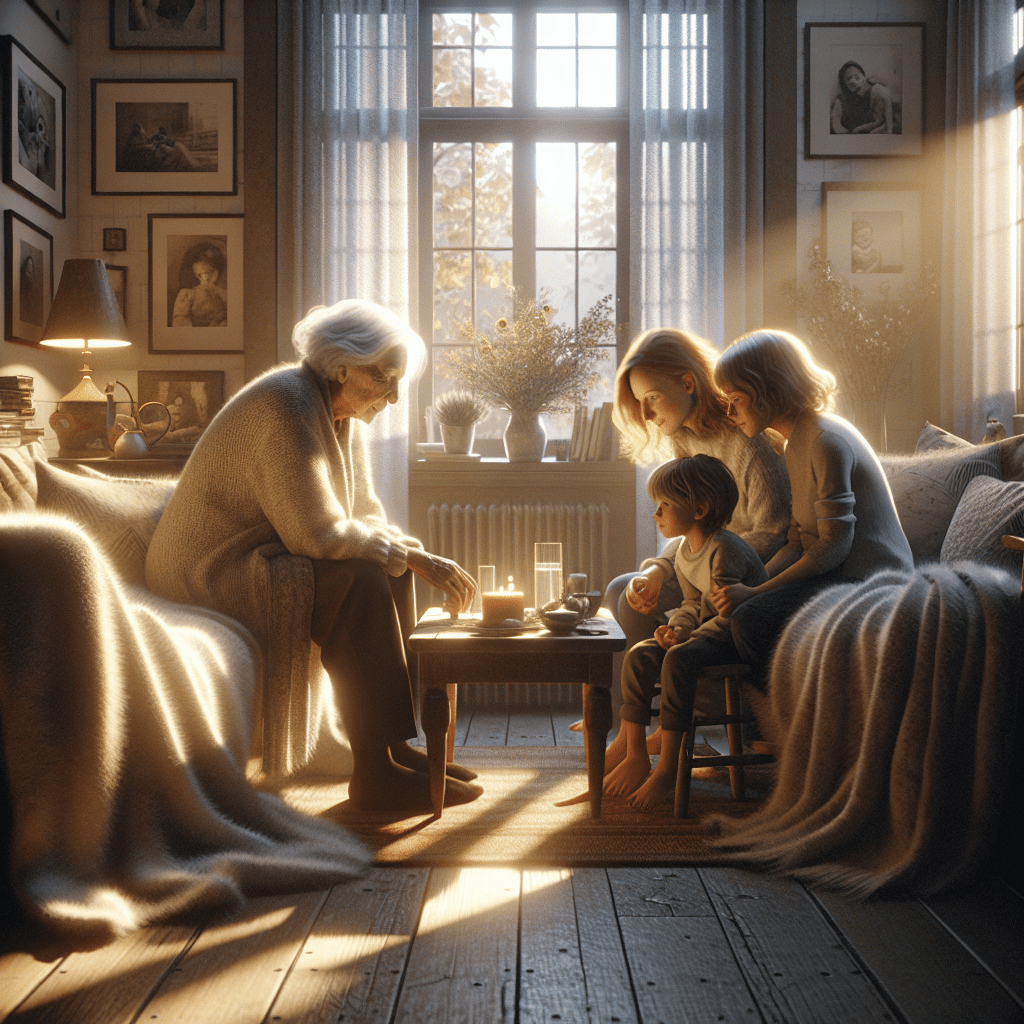
Can Autism Skip a Generation? Understanding the Genetic Links
When it comes to autism, many families find themselves grappling with questions that span generations. One of the most frequently asked questions is: can autism skip a generation? This inquiry doesn’t merely stem from curiosity; it’s a profound concern that often weighs on the minds of parents, grandparents, and even future parents. As autism awareness grows, so does the understanding of its complexities, including its genetic underpinnings.
Autism Spectrum Disorder (ASD) is a multifaceted condition that affects communication, behavior, and social interaction. The fact that autism can appear in families with no prior history raises eyebrows and leads to speculation about its genetic transmission. In this article, we will delve deep into whether autism can skip a generation, exploring genetic factors, environmental influences, and personal anecdotes that shed light on this intricate topic.
The Genetics of Autism: Can It Skip a Generation?
To answer the question, can autism skip a generation, we must first understand the genetic framework that underlies autism. Current research indicates that genetics play a significant role in the development of ASD. Studies suggest that multiple genes contribute to the risk of autism, with heritability estimates ranging from 50% to 90%. This means that if a parent has autism, the likelihood of their child being on the spectrum is considerably higher than in the general population.
However, the genetic landscape of autism is not a straightforward inheritance pattern like that of other genetic disorders. Autism is often classified as a complex trait, influenced by a combination of genetic and environmental factors. This complexity raises the question: if a grandparent has autism, will their grandchild necessarily inherit it, or can autism skip a generation? The answer is not so simple.
Research indicates that it is indeed possible for autism to skip a generation. This can occur when a parent carries genetic variations or mutations associated with autism but does not express the traits themselves. For instance, if a parent has a milder form of autism or related traits, they might not meet the diagnostic criteria for ASD but still pass on the genetic predisposition to their child. Consequently, the grandchild may exhibit more pronounced symptoms or traits associated with autism.
Moreover, the concept of “genetic loading” comes into play. This term refers to the cumulative effect of genetic variations across generations. A child may inherit a combination of genetic factors from both parents, which, when combined, could lead to the manifestation of autism, even if neither parent shows significant traits. Thus, the idea that autism can skip a generation is supported by both anecdotal evidence and scientific research.
Environmental Factors and Autism
While genetics play a crucial role in the development of autism, we cannot ignore environmental factors. Questions like can autism skip a generation often lead to discussions about the role of environment in shaping the health and behaviors of children across generations. Environmental influences can interact with genetic predispositions in complex ways.
Factors such as prenatal exposure to certain substances, maternal health during pregnancy, and even the age of parents can significantly influence the likelihood of a child developing autism. For example, studies have shown that advanced parental age is associated with a higher risk of autism. If a grandparent had children at an older age, there may be a higher chance that their grandchildren could inherit autism-related traits, depending on the genetic predispositions involved.
Additionally, the environment in which a child is raised can impact the expression of genetic traits. A nurturing, supportive environment may help mitigate some risks associated with genetic predispositions, while a stressful or unhealthy environment could exacerbate them. Thus, even if autism-related genes are present, the environment can either mask or reveal their effects, leading to the perception that autism has skipped a generation.
In this context, family history becomes a crucial aspect of understanding autism’s transmission. Families with a history of autism may unintentionally create environments that either promote or inhibit the expression of autism-related traits. For instance, if a family is particularly accepting and understanding of neurodiversity, children in that environment may feel more empowered to express themselves authentically, potentially leading to a clearer understanding of their own traits.
Personal Stories: Autism Across Generations
Personal stories can provide valuable insights into the question of can autism skip a generation. Many families have narratives that illustrate the complexities of autism across generations. For example, a grandparent may have exhibited traits associated with autism, such as difficulties in social interactions or a strong focus on specific interests, but did not receive a diagnosis in their time. Their child might grow up and exhibit similar traits, prompting a diagnosis of autism when they become parents.
In such cases, the child’s diagnosis could lead to the recognition of traits in the grandparent, suggesting that autism has indeed skipped a generation. The child might embody characteristics that are more recognizable and diagnosed in today’s society, whereas the grandparent’s traits went unnoticed or unrecognized in their time. This illustrates not only the changing understanding of autism but also the fluidity of its expression across generations.
Another compelling example involves families where one sibling is diagnosed with autism, while another sibling is not. Often, parents may notice that the non-diagnosed sibling exhibits behaviors or thought patterns that align closely with autism, which can lead to confusion and questions about whether autism can skip a generation or if it simply manifests differently in different individuals.
These personal narratives underscore the complexity of autism and the importance of considering both genetics and environment in understanding its occurrence across generations. They also highlight the need for continued research and awareness to support families navigating these challenging questions.
Conclusion
In conclusion, the question of can autism skip a generation is multifaceted, intertwining genetics, environment, and personal experiences. While genetics undoubtedly play a significant role in autism, the influence of environmental factors and the nuances of individual family histories cannot be overlooked. Autism’s complexity means that it can manifest differently across generations, leading to situations where it appears to skip a generation due to a combination of inherited genetic predispositions and varying environmental influences.
As we continue to learn more about autism and its diverse presentations, it becomes increasingly clear that understanding autism requires a holistic approach that encompasses both genetic and environmental considerations. Families grappling with questions of autism across generations can take comfort in knowing that they are not alone in their inquiries. Each story adds another layer to our understanding, helping to unravel the complexities of this condition.
For anyone seeking further information, it’s essential to consult reputable sources and engage with communities that focus on autism awareness and support. Together, we can foster a greater understanding of autism and support those who navigate its challenges.
Frequently Asked Questions (FAQs)
1. Can autism skip a generation?
Yes, autism can skip a generation. Genetic predispositions can be passed down without manifesting in every generation, leading to instances where traits appear more prominently in grandchildren.
2. What are the genetic factors associated with autism?
Research indicates that multiple genes contribute to autism risk, and heritability estimates suggest genetics play a significant role in its development.
3. How do environmental factors influence autism?
Environmental factors, such as prenatal exposure and parental age, can interact with genetic predispositions, affecting the likelihood of autism in future generations.
4. Are there common traits in families with autism?
Yes, families with a history of autism may exhibit common traits, though these may not always meet the diagnostic criteria for autism in every generation.
5. What should families do if they suspect autism across generations?
Families should seek professional assessments and support from healthcare providers specializing in autism to better understand and navigate their experiences.
Can ADHD Meds Cause Depression? Unraveling the Truth
Can ADHD Develop Later in Life? Understanding the Signs and Symptoms