

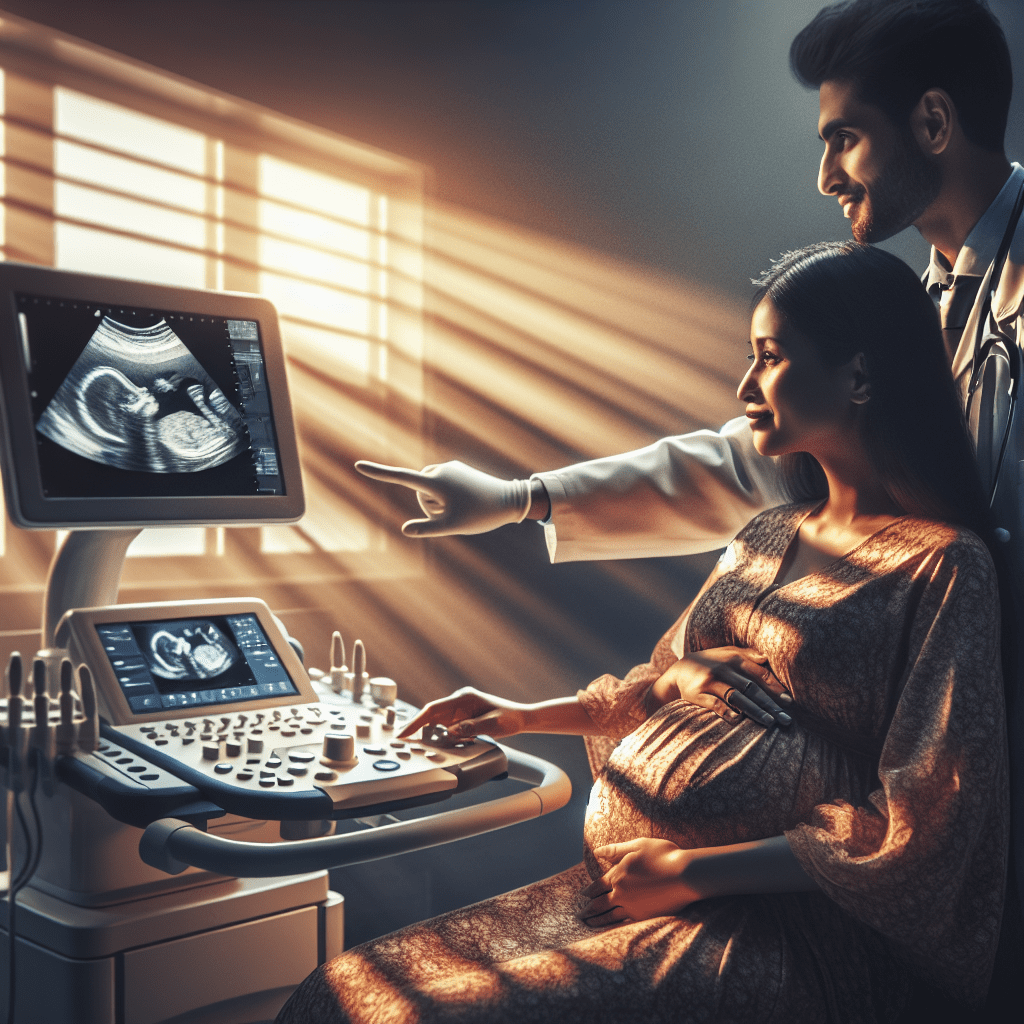
Can Autism Be Detected Before Birth?
As the conversation surrounding autism continues to grow, many parents and future parents are left pondering a critical question: can autism be detected before birth? This inquiry is not only steeped in parental concern but is also a focal point of ongoing scientific research. Autism Spectrum Disorder (ASD) is a complex neurodevelopmental condition that affects how individuals communicate, interact, and perceive the world. With the increasing prevalence of autism diagnoses, understanding the potential for early detection has become paramount. But how feasible is it to identify autism before a child is even born? In this article, we will delve into the current state of research, what is known, and what remains uncertain regarding the prenatal detection of autism.
Understanding Autism and Its Roots
Before discussing the possibility of detecting autism before birth, it’s essential to understand what autism is and the factors that contribute to its development. Autism Spectrum Disorder is characterized by a range of symptoms that affect social interaction, communication, and behavior. The exact causes of autism are still not fully understood, but research suggests a combination of genetic and environmental factors play a role.
Genetics has emerged as a significant area of study in autism, with numerous genes implicated in the disorder. Some research indicates a higher likelihood of autism in individuals with a family history of the condition, suggesting hereditary factors are at play. However, environmental factors, such as prenatal exposure to certain medications, infections during pregnancy, and maternal health conditions, are also being investigated as potential contributors to the development of autism.
This multifaceted nature of autism has led scientists to explore various avenues for early detection, including genetic testing and prenatal screenings. While substantial advancements have been made in understanding the genetic components of autism, the question remains:
Can autism be detected before birth?
Current Research on Prenatal Detection of Autism
Research into the possibility of detecting autism before birth is still in its infancy, but there are promising developments worth noting. Genetic tests, such as non-invasive prenatal testing (NIPT), have gained popularity in recent years for assessing the risk of chromosomal abnormalities. These tests analyze fragments of fetal DNA in the mother’s blood and can provide information about genetic conditions.
Some studies have suggested that certain genetic markers could be associated with an increased risk of autism. For instance, variations in genes linked to neurodevelopment have been identified, raising the possibility that genetic testing could play a role in predicting autism risk. However, it’s critical to understand that these tests do not diagnose autism but may indicate a higher likelihood, necessitating further evaluation postnatally.
Moreover, researchers are investigating the potential of biomarkers found in amniotic fluid or maternal blood that could provide insight into neurodevelopmental outcomes. Some studies have shown that specific proteins or metabolites may correlate with autism traits, but these findings are still preliminary and require further validation.
While the prospect of prenatal detection of autism is intriguing, it is essential to approach this topic with caution. The complexity of autism and its spectrum nature means that even if a prenatal test indicates a higher risk, it does not guarantee that a child will be diagnosed with autism once born.
The Ethical Implications of Prenatal Autism Detection
As research progresses, the ethical implications surrounding the detection of autism before birth cannot be overlooked. The ability to identify autism prenatally raises significant questions about parental choice, societal perceptions of disability, and the potential for discrimination.
For some parents, the knowledge that their child may be at risk for autism could lead to increased support and preparation. However, others may face difficult decisions regarding pregnancy continuation based on test results. It’s crucial to consider the psychological and emotional impact of such information on expectant parents.
Moreover, societal attitudes towards autism play a significant role in shaping how this information is perceived. The stigma surrounding autism can lead to fear and misunderstanding, potentially influencing parental choices. As a society, we must strive to foster acceptance and support for individuals with autism, regardless of when their diagnosis occurs.
Another critical aspect is the potential for misuse of genetic information. In the wrong hands, genetic data could be used for discriminatory practices, further marginalizing individuals with disabilities. This raises the importance of establishing ethical guidelines and policies surrounding genetic testing and prenatal assessments.
The Future of Autism Detection and Support
While the question of can autism be detected before birth remains partially unanswered, the ongoing research holds promise for the future. As our understanding of genetics and neurodevelopment improves, we may find more reliable methods for assessing autism risk prenatally.
However, it is equally important to focus on postnatal support and early intervention. Regardless of whether autism can be detected before birth, early diagnosis and intervention can significantly improve outcomes for children with autism. Programs that provide support, therapy, and resources can empower families and help children thrive.
Education and awareness are also vital components in supporting individuals with autism and their families. Creating an inclusive society that values diversity can help reduce stigma and promote acceptance. By fostering understanding and empathy, we can create an environment where individuals with autism are celebrated for their unique abilities.
In conclusion, while the question of whether autism can be detected before birth remains complex and nuanced, the ongoing research and discussions surrounding this topic are critical. As we continue to explore the genetic and environmental factors contributing to autism, we must also prioritize support for families and individuals affected by the disorder.
Conclusion
In summary, the inquiry of can autism be detected before birth encapsulates the intersection of science, ethics, and societal perceptions. As research continues to evolve, it is essential to remain informed and compassionate. Whether through prenatal testing or postnatal support, our collective goal should be to foster understanding and acceptance for individuals with autism, ensuring they have the resources they need to flourish in society.
Frequently Asked Questions (FAQs)
1. What are the signs of autism that may appear after birth?
Signs of autism often become noticeable in the early years of a child’s life. These may include difficulties with communication, challenges in social interactions, and repetitive behaviors. Early signs can vary significantly from child to child.
2. Are there any prenatal tests specifically for autism?
Currently, there are no specific prenatal tests that can diagnose autism. However, some genetic tests may indicate an increased risk based on genetic markers associated with the condition.
3. How can parents support a child with autism?
Parents can support their children by seeking early interventions, accessing therapy services, and fostering a nurturing environment that encourages growth and development. Educating themselves about autism can also enhance their ability to support their child.
4. Is autism hereditary?
Research suggests that genetics play a significant role in the development of autism. Children with a family history of autism are at a higher risk of being diagnosed with the condition.
5. What resources are available for families affected by autism?
Numerous resources exist for families, including support groups, educational programs, and therapy services. Organizations such as Autism Speaks and the Autism Society offer information and assistance to families navigating autism.
Is ABA Therapy Harmful? Understanding the Risks and Benefits